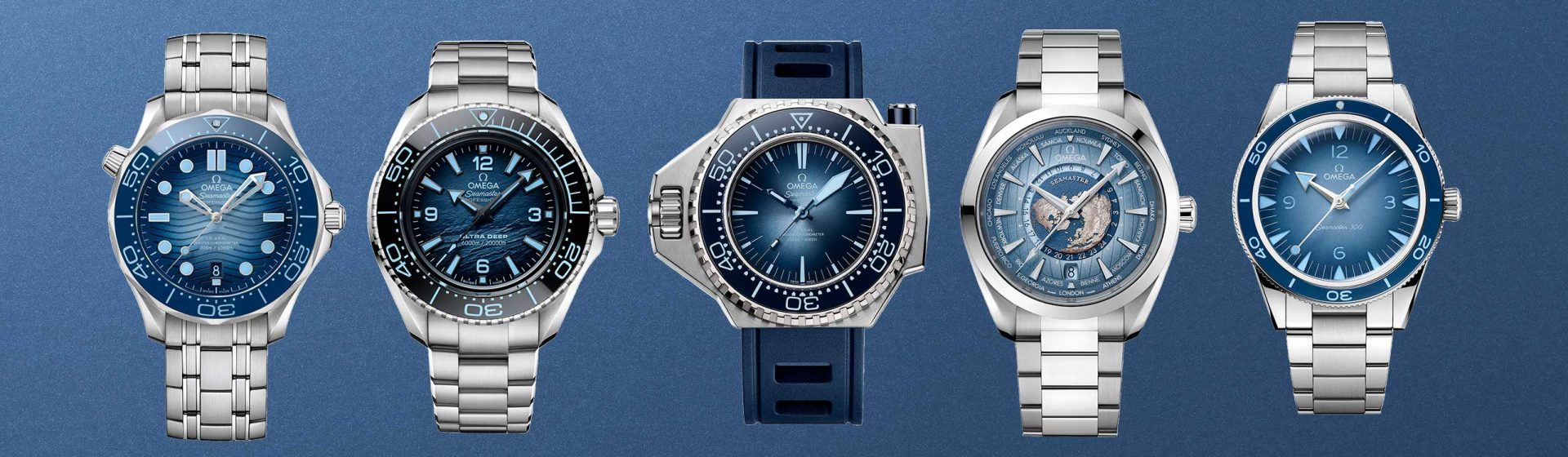

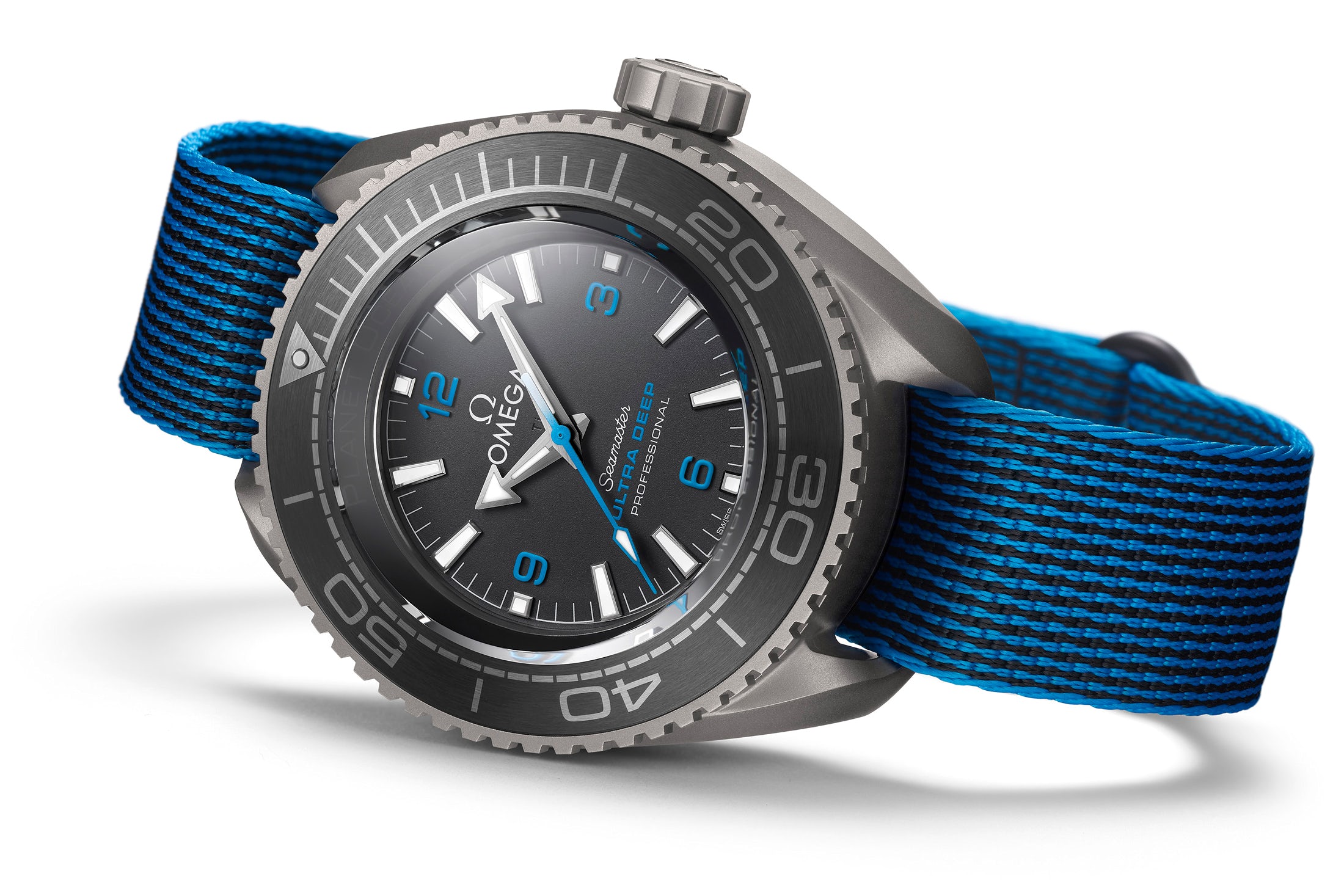
Replica Omega dive watches have become a widely discussed topic among watch enthusiasts, collectors, and casual buyers who are drawn to the aesthetic of luxury dive timepieces without the high retail price. These replicas attempt to imitate the design of models from Omega SA, particularly the popular Seamaster line, which is known for its professional diving capability, iconic wave dial, and robust build. While the visual similarity can be striking at first glance, there are important differences in craftsmanship, materials, and long-term reliability that are worth understanding before forming any opinions or expectations.
Why Replica Dive Watches Exist
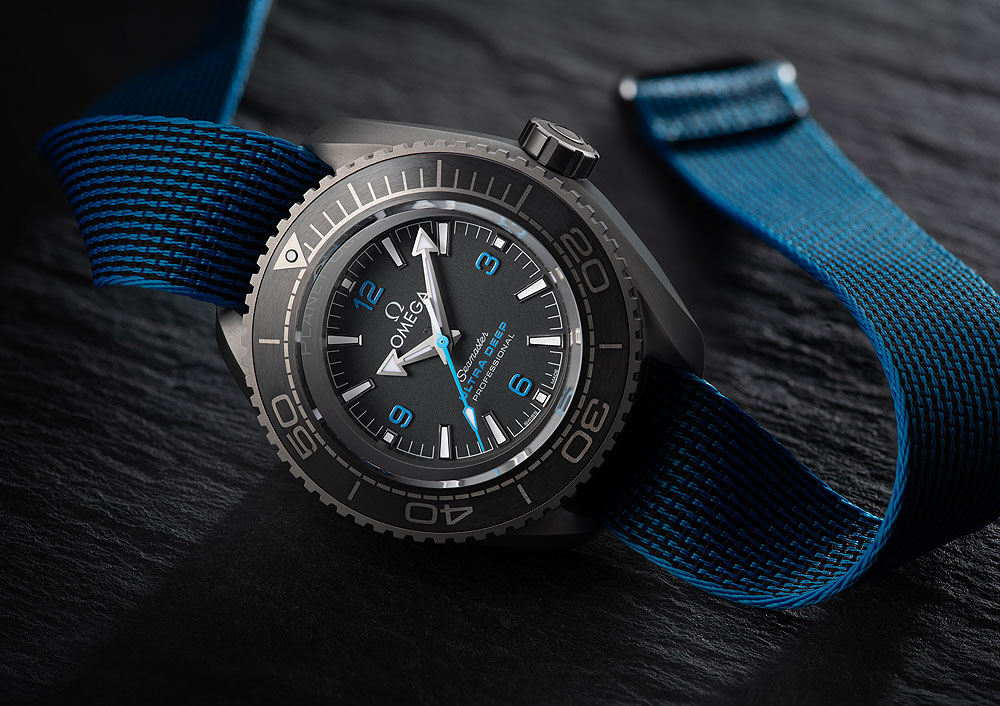
The demand for replica dive watches is largely driven by the popularity of luxury sports watches and the cultural influence of brands like Omega. Many buyers are attracted to the aesthetic features—rotating bezels, luminous markers, and stainless-steel cases—but are not ready or willing to pay premium prices. As a result, replicas fill a gap in the market by offering visually similar alternatives at a fraction of the cost. However, this demand also raises concerns around intellectual property, brand integrity, and consumer awareness.
Build Quality and Performance Differences
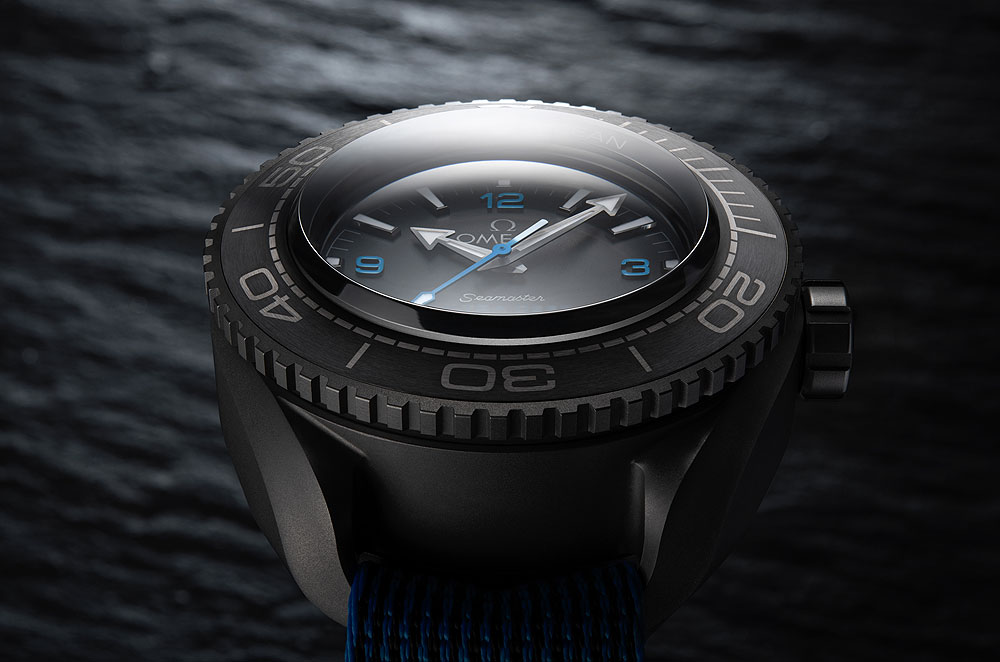
One of the most noticeable distinctions between genuine and replica dive watches lies in their internal movement and material quality. Authentic Omega dive watches are engineered with precision Swiss movements, anti-magnetic technology, and rigorous water resistance testing. In contrast, replica versions often use lower-grade automatic or quartz movements that may not offer the same level of accuracy or durability. Water resistance claims on replicas are also frequently unreliable, making them unsuitable for real diving or extended underwater use.
Legal and Ethical Considerations
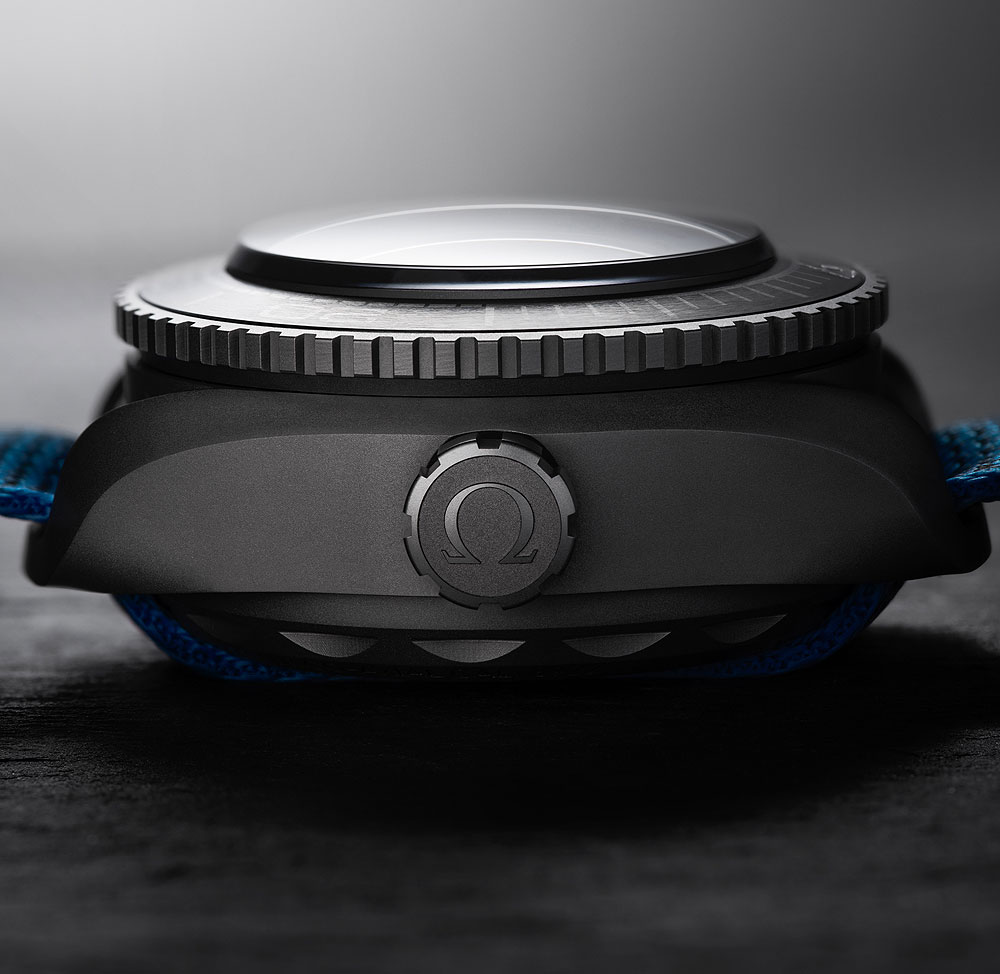
Purchasing or distributing replica watches can fall into legally gray or outright illegal territory depending on the country. Many jurisdictions treat counterfeit goods as intellectual property violations, which can lead to confiscation or penalties. Ethically, replicas also raise questions about supporting design infringement and undermining the innovation of established watchmakers. Buyers are often encouraged to be aware of these implications before making a decision.
How to Identify a Replica Omega Dive Watch
There are several telltale signs that can help distinguish a replica from a genuine luxury dive watch. Common indicators include misaligned logos, poor engraving quality, incorrect font spacing, lightweight construction, and inconsistencies in the movexment’s ticking pattern. Genuine Omega watches typically feature precise finishing, serial numbers that can be verified, and high-grade lume that remains visible under low light conditions.
Alternatives to Replica Watches
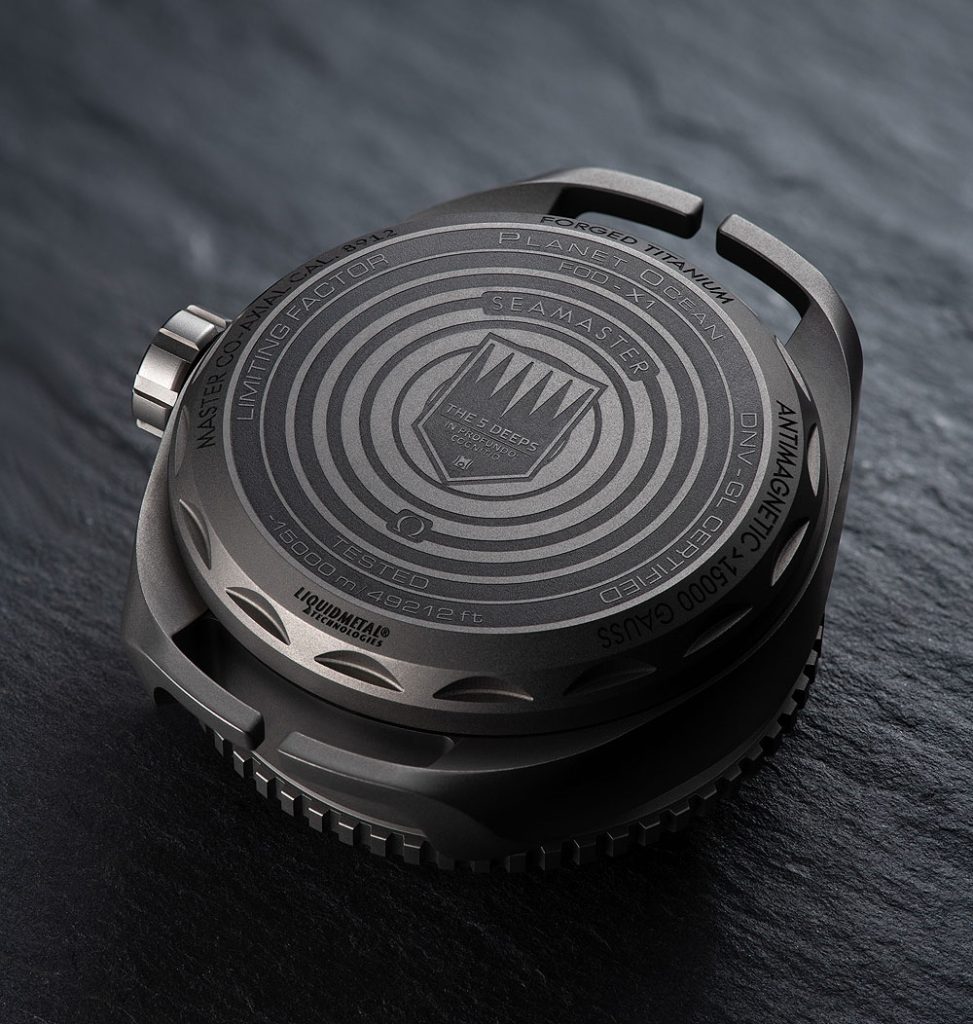
For those who appreciate the dive watch style but want an affordable and legitimate option, there are many reputable brands offering excellent alternatives. Companies such as Seiko, Citizen, and Orient produce dive watches with strong performance, reliable movements, and ISO-certified water resistance. These alternatives provide the aesthetic appeal of a dive watch without the legal and quality concerns associated with replicas.
The Appeal Behind the Design
Despite the controversy, the enduring appeal of Omega dive watch designs lies in their balance of elegance and functionality. The Seamaster collection, in particular, has influenced countless watch designs across the industry. Its combination of professional-grade diving features and refined aesthetics makes it one of the most recognizable tool watches ever created, which explains why it is so frequently imitated.